

What Your Body Already Knows
Why confidence can't be thought into existence.
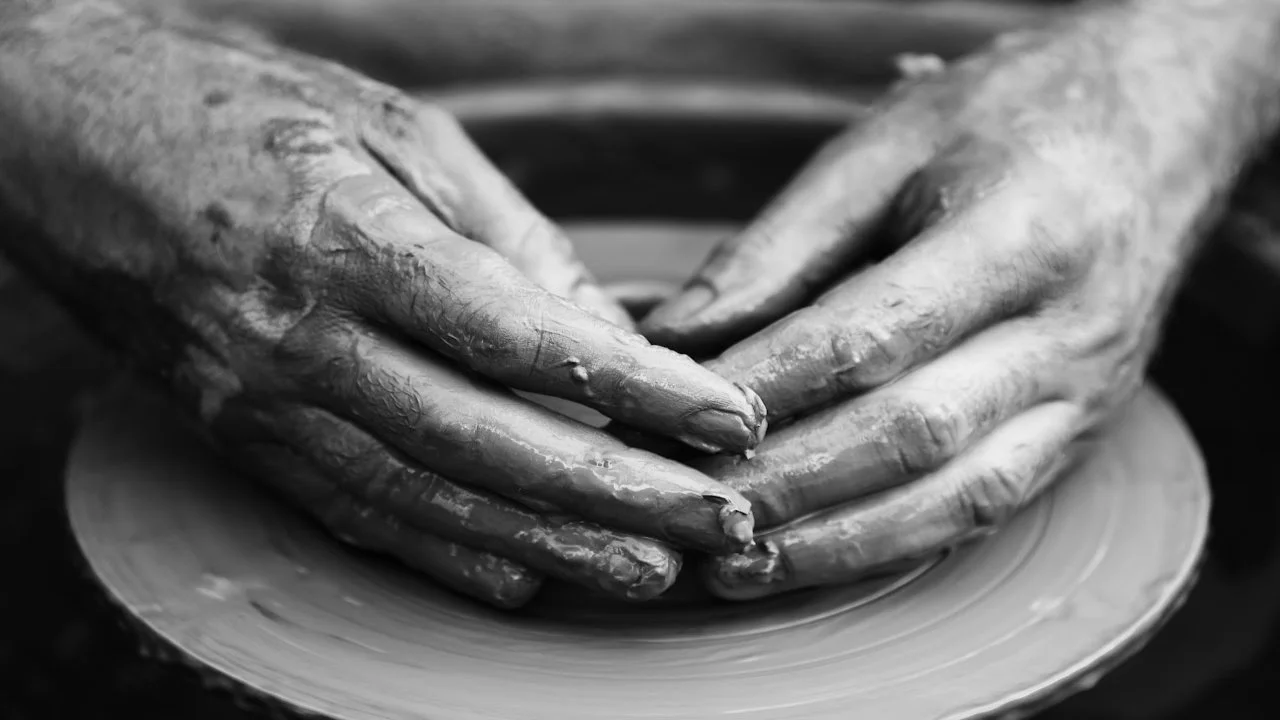
Letting body lead creates beauty in living, by design
You can’t have confidence if you’ve never done something before.
And you can’t be good at doing something if you’ve never been shown how to do it, and if you haven’t practiced over and over how to do it. And how to do it the way you do it; not the way someone else does it.
But there is a comingling of learning first from mimicking how someone else does it, until you and your body are familiar enough with the process to start making it your own, which takes longer than your head or attention span says it should, but your body knows.
So there’s this place you end up; you’ve been practicing, and you’re not terrible at it anymore, but it doesn’t feel like yours yet. It still feels like you’re wearing someone else’s coat. And your head — your head is done.
Your head understood the concept weeks ago. Your head is bored and suspicious and starting to build a case that if it hasn’t clicked by now, maybe it’s not going to. Maybe try a different approach. Maybe read another book about it.
And that moment — that’s the moment almost everyone leaves.
Not because they failed.
Because the not-knowing feels like failing.
Because there’s nothing more uncomfortable than being inside a process your mind has already finished but your body is still working.
But here’s the part nobody tells you.
Your mind isn’t just impatient.
It’s resisting.
It can feel that this new thing, if it actually takes root, is going to change the way you operate — and not in a way your mind gets to control. So it does what it does best: it makes the whole endeavor feel stupid, or slow, or not worth the effort.
Not because it’s right.
Because it’s threatened.
It is astonishing to discover that your own mind would rather be wrong and in charge than right and changed.
And underneath that, something even quieter: a loyalty to the story you’ve already built about who you are and how the world works and what’s possible.
It will choose the known cage over the unknown sky, and it will make that choice sound like wisdom.
The body doesn’t do any of this.
The body just keeps going.
The body was never confused about what was happening. It was learning — actually learning — while your mind was busy writing the eulogy.
That’s the difference between fixing yourself and freeing yourself.
Fixing is a mind project. It is performative, for an audience. It has steps and timelines and a finish line that keeps moving.
Freeing is what happens when you stop overriding what your body already knows, get your head out of the way, and let your body finally lead — as designed. It takes longer than you think it should. It takes exactly as long as it takes.
And the trick is: seniority doesn’t arrive with fanfare of any kind.
In fact its quietness is the hallmark.
You’re doing the thing one day and you realize you’re not voice-overing yourself, you’re not hyper-supervising anymore. You’re not comparing your work against someone else’s anymore. You’re not performing, or grading, or judging.
You’re just … being it. And it’s yours. And you can’t point to the day it all changed, and became yours because that’s not the reality bodies live in; that’s the way mind operates.
You’ve instead integrated, incorporated, and embodied, as designed.
If you want to explore what this feels like in your own body, I work with people one-on-one — delia@deliayeager.live.